6 x 100 points #4
Wine List
Wine 1
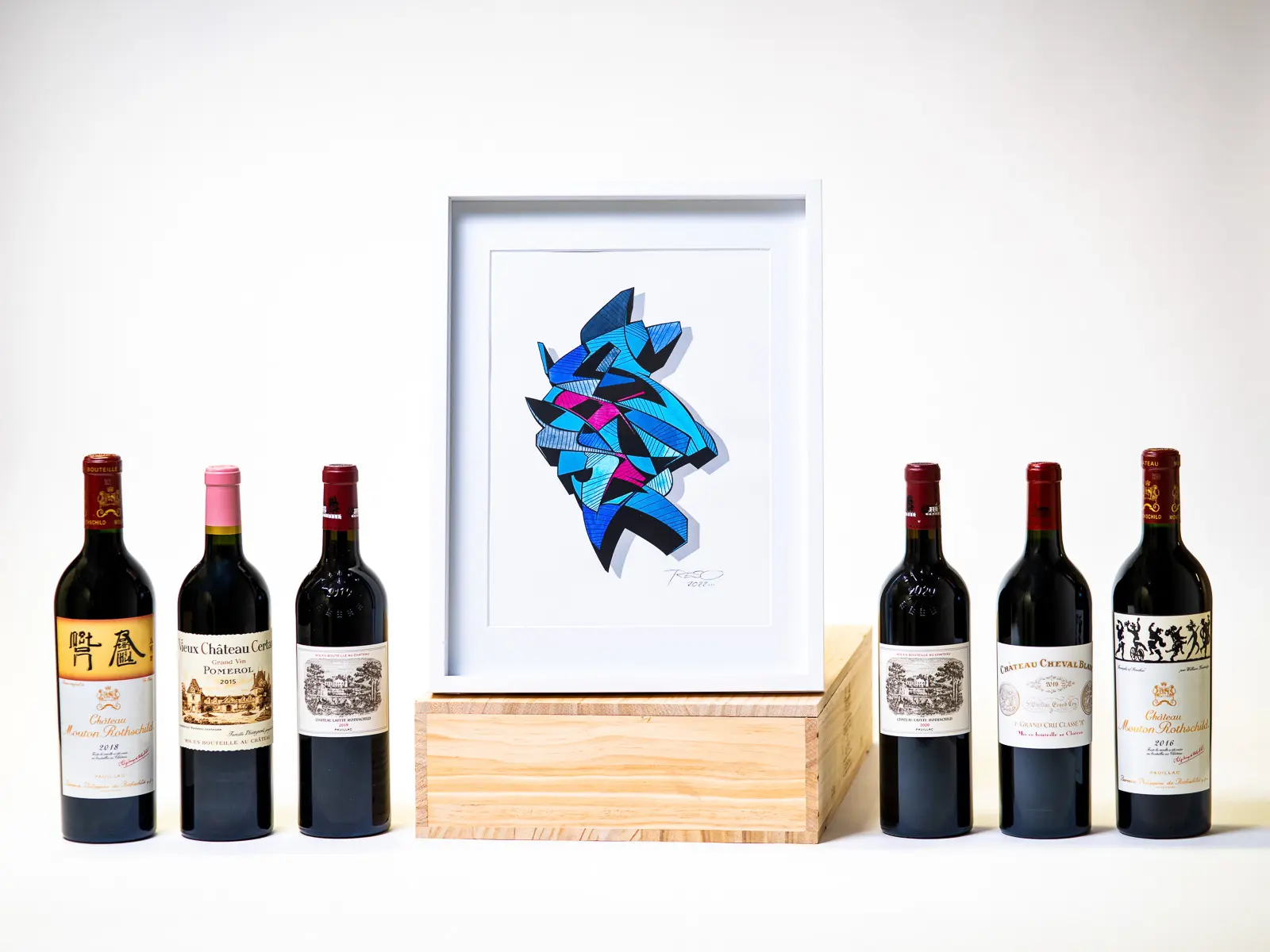
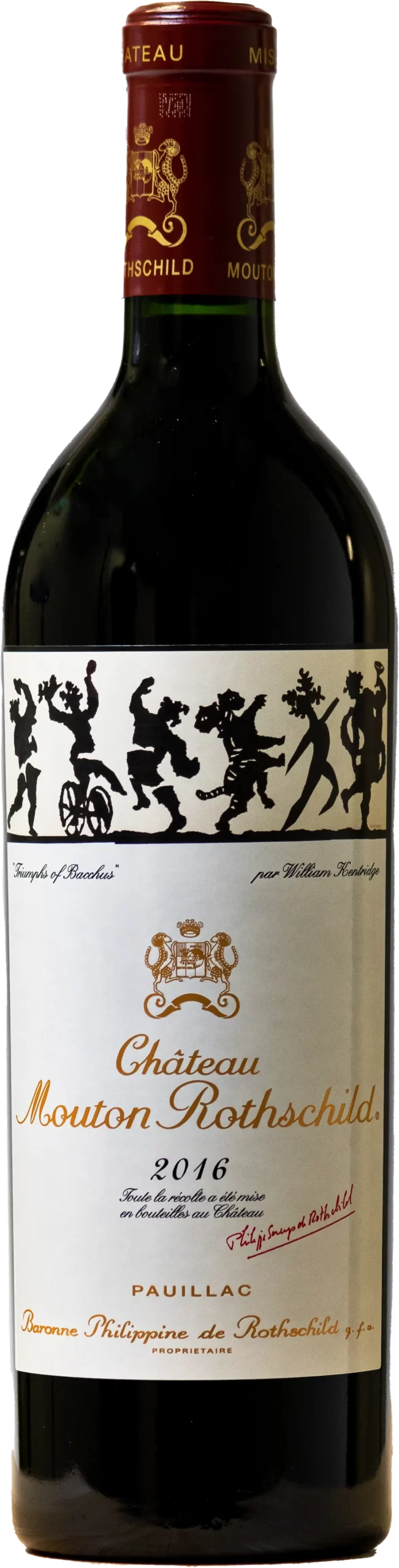
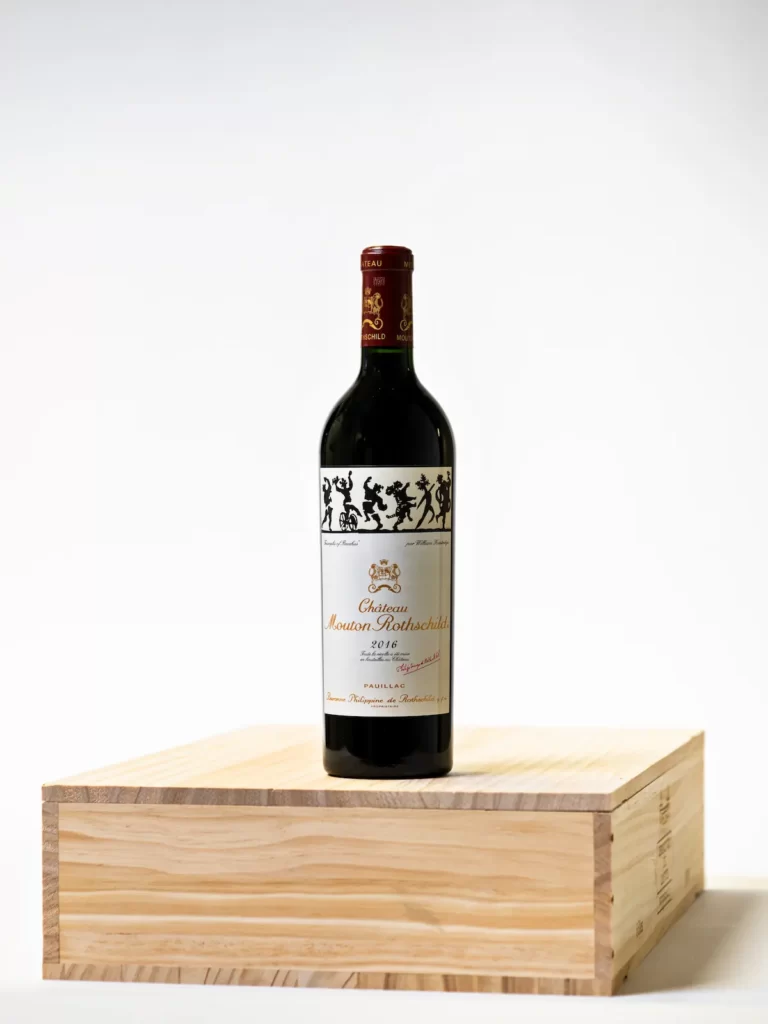
Château Mouton Rothschild - Vintage 2016 - 100 points Parker
Wine 2
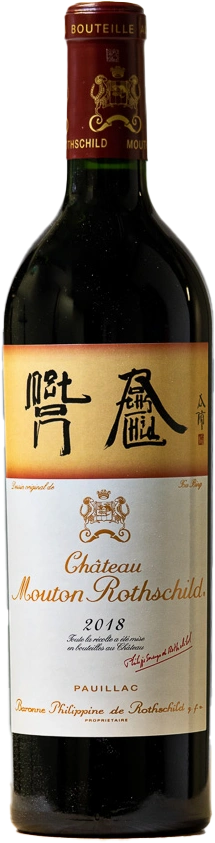
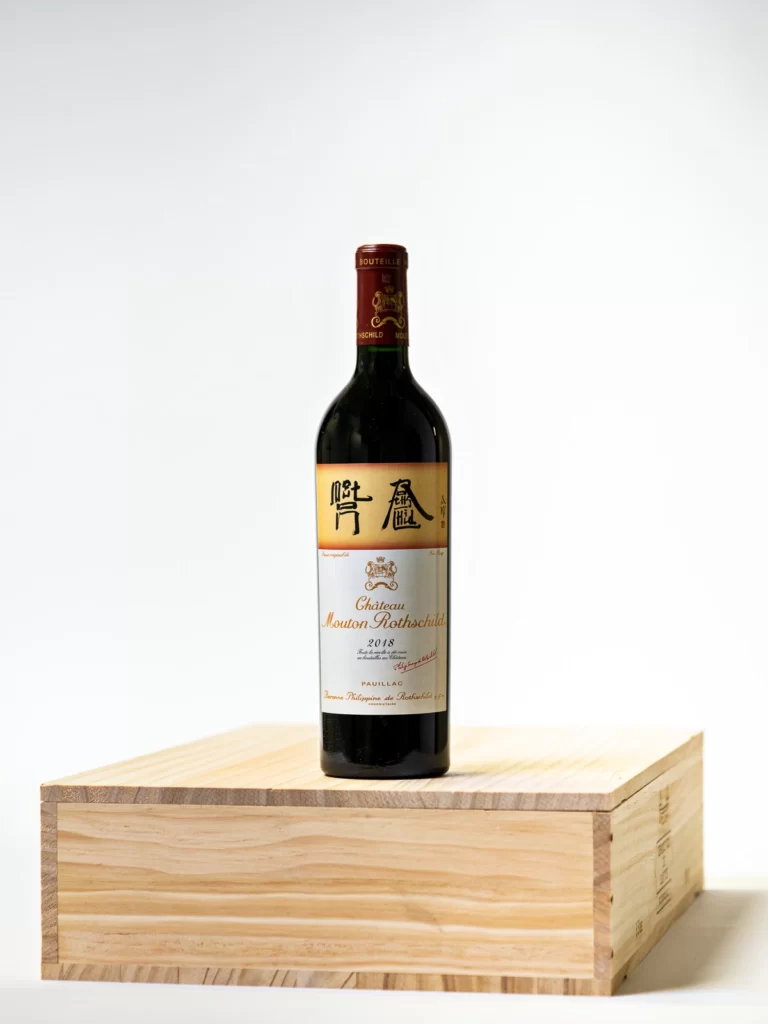
Château Mouton Rothschild - Vintage 2018 - 100 points Suckling
Wine 3
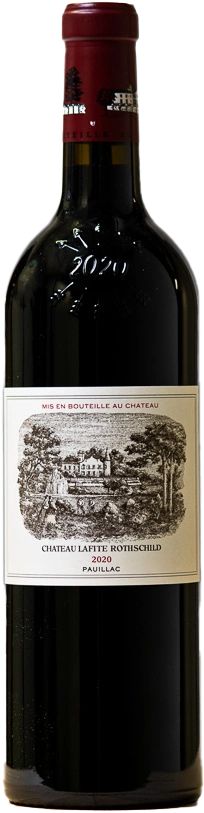
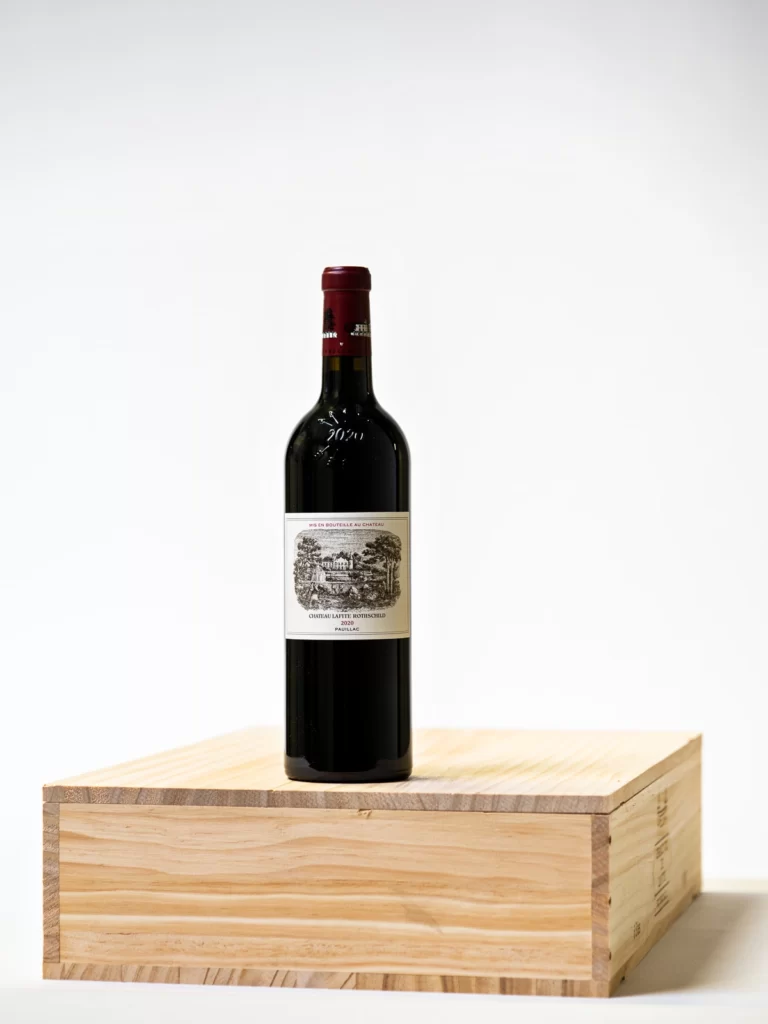
Château Lafite Rothschild - Vintage 2020 - 100 points Dunnuck
Wine 4
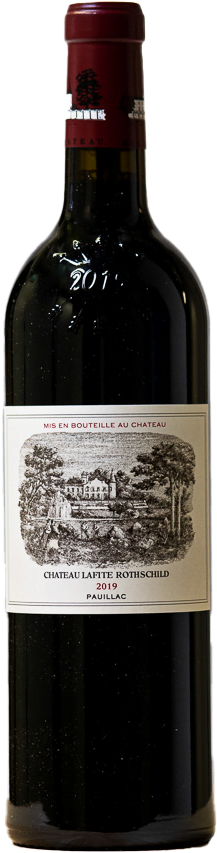
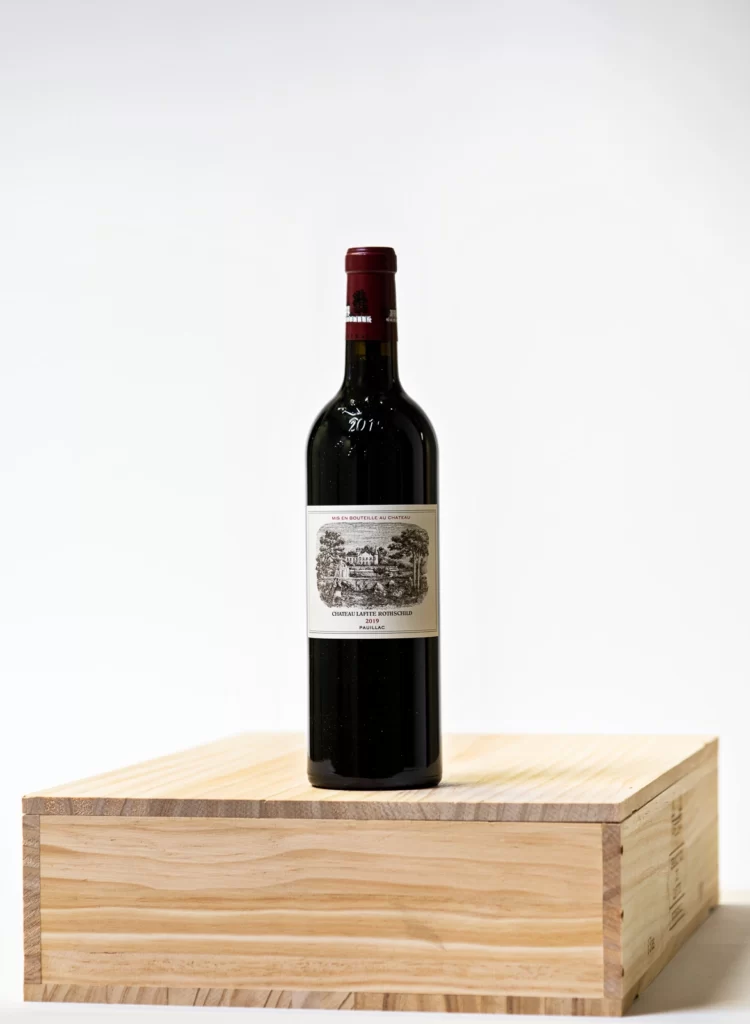
Château Lafite Rothschild - Vintage 2019. 100 points Parker
Wine 5
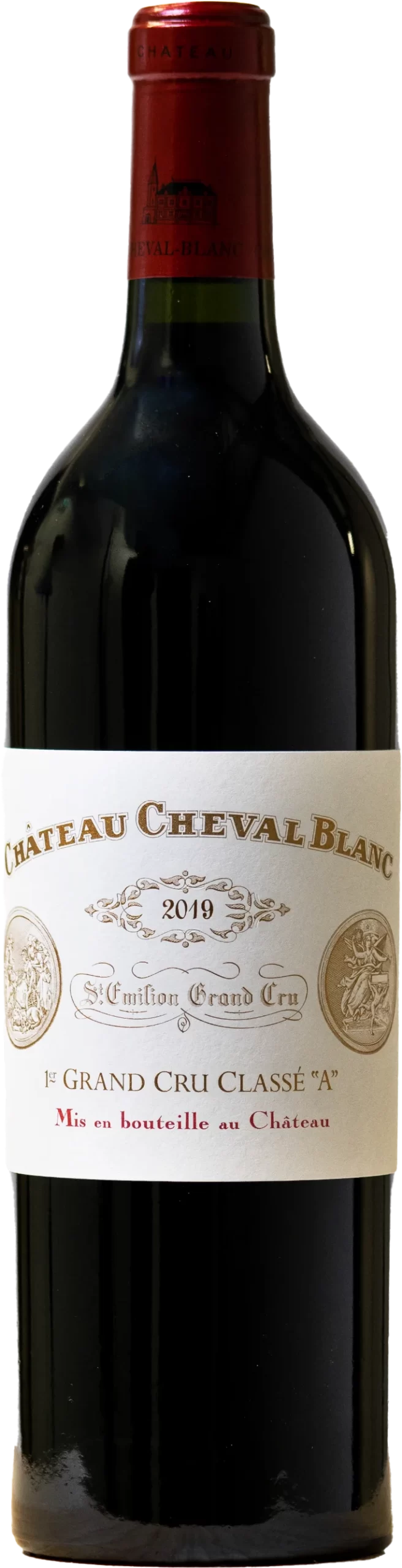
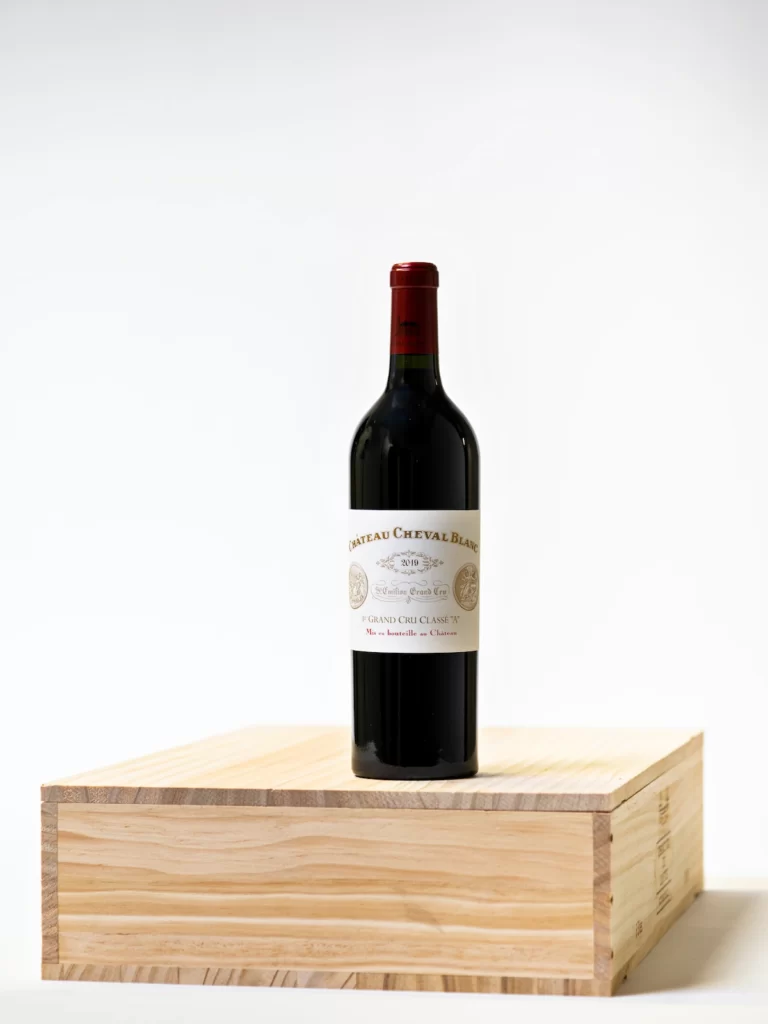
Château Cheval Blanc - Vintage 2019 - 100 points Parker
Wine 6
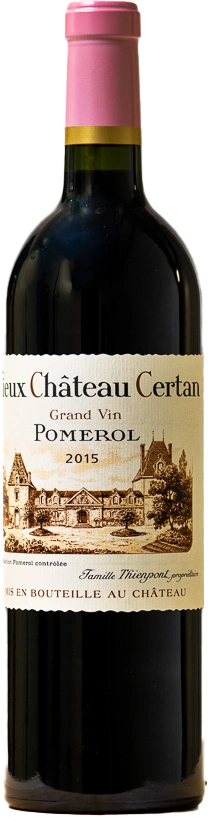
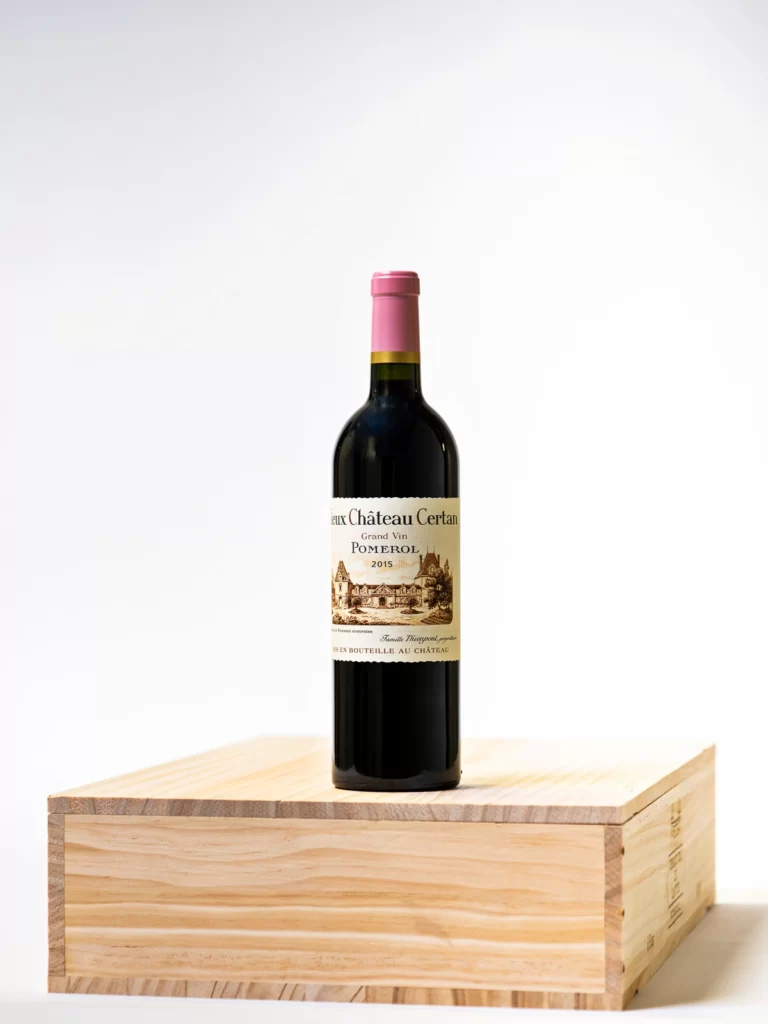
Vieux Château Certan - Vintage 2015 - 100 points Suckling
Artwork
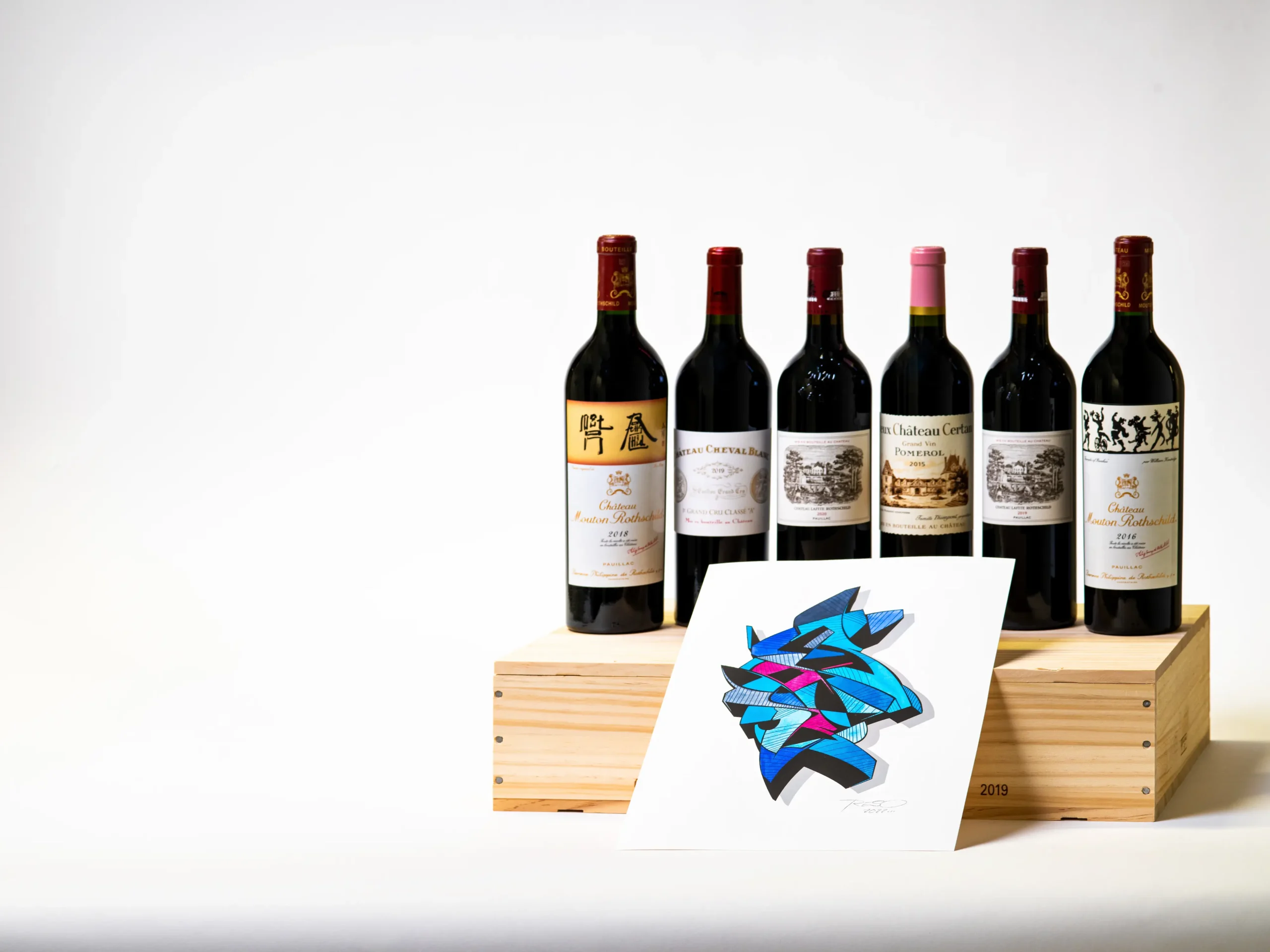
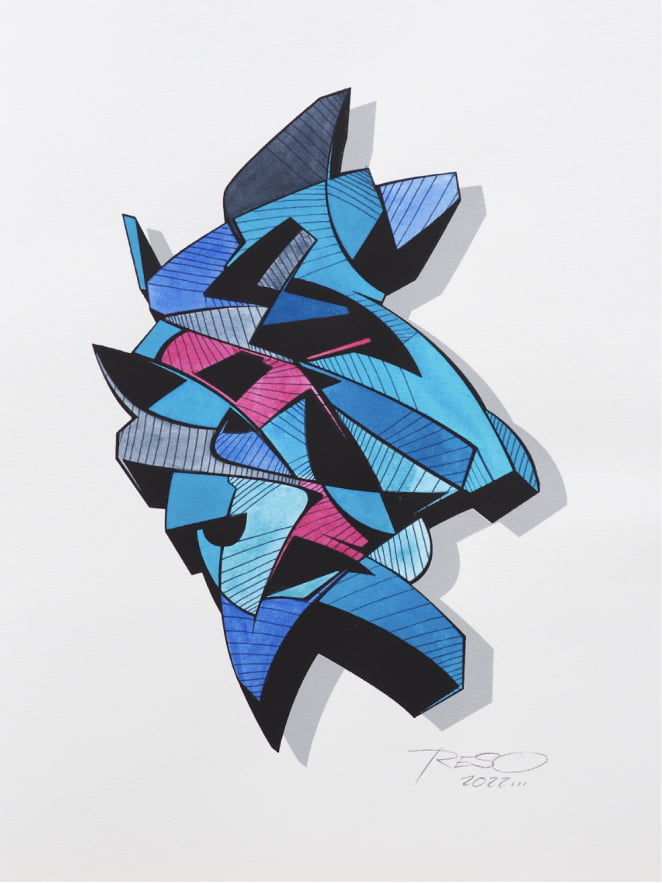
"Untitled (Style 1-6) Hand colored screen print (unique work of art) 32 x 24 cm 2022"
Description
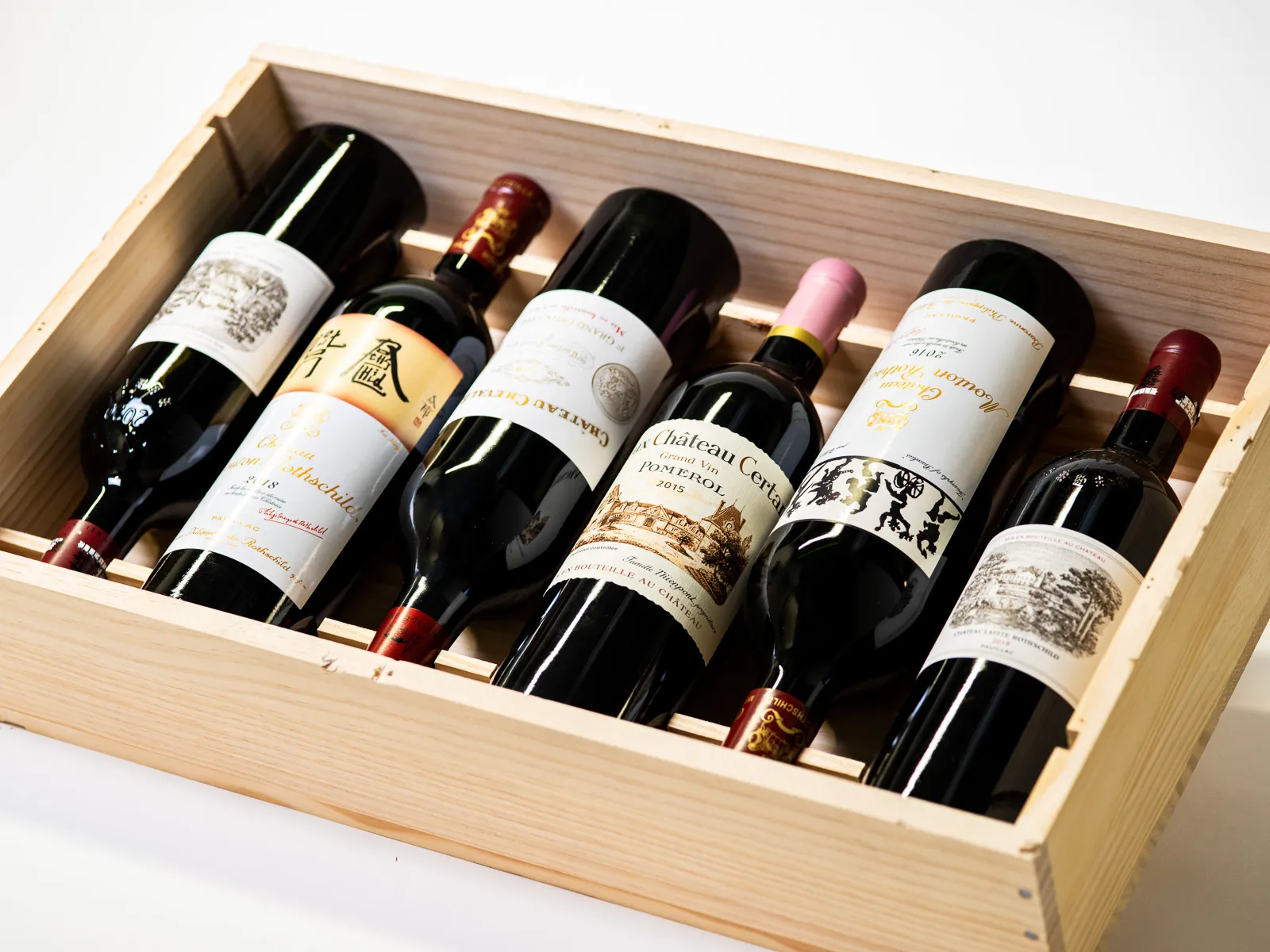
"Unique in the world! This case contains 6 bottles of some of the most prestigious wines in the world, all rated 100 points out of 100, as well as a unique artwork by the famous artist Reso. We have gathered for you the greatest vintages of the greatest Châteaux of Bordeaux. These wines come directly from the estates and are stored in our cellar at constant temperature and hygrometry. We link the art of wine to the art of our artists. In the case 6 x 100 points, you will find a magnificent work of Reso. Each piece of art is unique, which makes your case...unique in the world! "
Investment price
5.990 €
incl. 1 year of service fees
Bottles
6 x 0,75l bottle
Price per liter: 4,5l (1331,11€/l)
Artwork
Untitled (Style 1-6) Hand colored screen print (unique work of art) 32 x 24 cm 2022
Out of stock
We are working hard on our digital asset marketplace and we intend to launch end of October 2023. On that marketplace, you will be able to buy our collections throughs NFTs which are nothing else than digital certificates of ownership. To make it simple: you own the NFT, you own the wine that is connected to that NFT with a unique identifier. All our NFTs are 100% backed by physical wines at all times, no exception. The beauty of our marketplace is that you will be able to check the presence of your investment from the comfort of your mobile, and all data will be publicly available on the blockchain where said data can never be altered once published. Until October 2023, you will receive a regular title of ownership after purchasing a collection. Following the launch of our marketplace, you will receive an NFT directly in your wallet, representing the ownership of your wines stored in our warehouse in Luxembourg.
Contains sulfites. This is a pre-sale product
Wine Description
100 points Parker | 100 points James Suckling | 100 points Dunnuck | 100 points Neal Martin
Cabernet Sauvignon 83% | Merlot 15% | Cabernet Franc 1% | Petit Verdot 1% 13,5% alc.
The color is dark and intense, almost black, with subtle garnet reflections. The nose reveals a sumptuous bouquet with floral nuances mixed with wild berries, cardamom, blond tobacco and toasted wood. What an olfactory spectacle! The attack is rich and precise, revealing a fleshy and voluminous body where layers of black fruits, coffee and spices follow one another. The tannins are finely chiseled, making it rise in power while conferring freshness. The finish is long, racy and with a lively acidity. A great Mouton Rothschild particularly successful. Château Mouton Rothschild 2016 has a tremendous potential for ageing. It can wait in the cellar for several more years to refine itself. Its peak will be reached between 2036 and 2040.
However, it can wonderfully be appreciated at its true value now.
100 points Suckling | 100 points Decanter | 100 points Jane Anson
Cabernet Sauvignon 86% | Merlot 12% | Cabernet Franc 2% 14,0% alc.
Château Mouton Rothschild 2018 embodies the excellence of a Pauillac Grand Cru Classé. Upon tasting, Château Mouton Rothschild 2018 reveals an intense color, dressed in a deep black color. Intensely aromatic, the nose opens with notes of ripe fruit, evolving on spicy notes with the scent of nutmeg. The freshness of menthol notes punctuates the bouquet. The palate delights from the outset, revealing a beautiful fullness and aromatic richness on tasty notes of black fruits and spices. With a superb structure with velvety and coated tannins, the vintage evolves by providing a sensation of greediness thanks to its creamy texture. With great finesse, the finish lingers for a long time, stretching out. A magnificent vintage of Château Mouton Rothschild. Château Mouton Rothschild 2018 has a tremendous potential for ageing. It can wait in the cellar for several more years to refine itself. Its peak will be reached between 2030 and 2078.
100 points Parker | 100 points James Suckling | 100 points Falstaff
Cabernet Sauvignon 94% | Merlot 5% | Petit Verdot 1% 13% alc.
The 2019 Lafite-Rothschild is a mesmerizing wine that shows how compelling the vintage is on the Left Bank. Elegant, creamy and exquisitely layered, the 2019 Lafite conquers all the senses. There is tremendous density and power that belies the 13,0% alcohol, but then again, that can be the magic of Bordeaux. So much sweet tobacco, Spanish cedar, dried flowers, dark mushrooms and roses. Really aromatic. This is so polished and very powerful, yet ethereal and refined at the same time. The finish goes on for minutes. Tight and harmonious. You want to drink it! So balanced, yet it will age beautifully. It will be this good forever.
Enjoy it over the coming 30-40 years.
Cabernet Sauvignon 92% | Merlot 7% | Petit Verdot 1% 13% alc.
As Lafite as Lafite gets, this ultra-classic reveals a dense ruby/plum hue as well as a tight, yet layered bouquet of ripe blackcurrants, smoked tobacco, freshly sharpened pencils, graphite, and subtle spice. Flawlessly balanced, deep, concentrated, and layered, it has an incredible mid-palate, building, perfect tannins, and a finish that leaves you salivating. Refined, elegant, and perfection are the buzzwords here. Unfortunately, it’s not for the instant gratification crowd, and I wouldn’t be surprised to see this require 15 years to hit the early stages of its prime drinking window. It will probably hit its 100th birthday in fine form.
100 points Parker | 100 points James Suckling | 100 points Galloni
Merlot 58% | Cabernet Franc 34% | Cabernet Sauvignon 8% 13,5% alc.
The color is an intense purple almost black, with beautiful purple reflections.
The nose is intensely expressive, delivering a beautiful aromatic burst of raspberry, blackberry, mint and eucalyptus. A hint of exotic spices is perceptible. The palate is fine and subtle, the wine quickly reveals a lot of density and power. The tannins are chiseled, bringing an airy dimension and reinforcing the fruity sensation which is exquisite. The finish is long, rich and leaves you speechless. Cheval Blanc 2019 has an aging potential of more than 30 years thanks to very great Cabernet Franc, with its peak between 2027 and 2060. However, it is a vintage with good drinkability, so it can be enjoyed soon provided it is well prepared for the occasion.
100 points Dunnuck | 100 points Suckling | 100 points Galloni
Merlot 80% | Cabernet Franc 19% | Cabernet Sauvignon 1% 15,0% alc.
Rich, sumptuous and explosive in the glass, the 2015 is pure class. The blackberries, blueberries, oyster shell and violets are so mesmerizing. Full-bodied, focused and deep. It takes you to another space and plane. Dried flowers and dark fruit. The tannins are perfectly crafted. The flavors are deep and boldly sketched in this sumptuous, spectacularly ripe Pomerol. Inky blue/purplish fruit, spice, lavender, licorice and menthol all develop in the glass, but
it is the wine’s textural richness and intensity that stand out most. As good as the 2015
is today, it is going to need at least 15-20 years to be at its very best.
Artwork Description
“Reso’s deep connection with New York City has been a profound source of inspiration throughout his life. The vibrant subcultural graffiti movement in the 70s and 80s, which painted the cityscape with mesmerizing letterings on subway cars, left an indelible mark on his artistic journey. New York’s contrasts and diverse experiences shaped Reso’s creativity, leading him to explore typography and the power of letters to evoke emotions in viewers. His art, born in secrecy and yet attracting extreme attention, later evolved into a multidimensional experience, where letters overlapped, and functionality gave way to artistic expression. Through his international presence, Reso’s name and influence became synonymous with the graffiti movement, but he sought artistic liberation beyond its confines, embracing a new chapter of his creative exploration.
Reso turned away from the legibility of characters and lettering and instead focused on the viewer’s emotional access to his work. His signs are encoded in a unique and personal way, making the individual layers no longer easy to separate, and the letters lose their classic distinguishing features when merged through the overlay of letter forms and colors. Reso consciously breaks with traditional reading habits and offers viewers a completely new image of typography. He no longer arranges the letters classically from left to right and one behind the other, but allows them to merge into constructs of form in order to provide viewers with new visual experiences.
“
Wineries Description
In 1853, Baron Nathaniel de Rothschild acquired Château Brane-Mouton at auction. Located in the heart of the Médoc, in Pauillac, he renamed the property Château Mouton Rothschild. In 1924, Baron Philippe de Rothschild took over the reins of the property. A visionary, he decided to initiate bottling directly on the property while designing the label of the wine. 1973 marked the year when Château Mouton Rothschild became a 1er Grand Cru Classé. Château Mouton Rothschild is an emblematic example of the great wines of Bordeaux around the world.
When Château Mouton Rothschild was officially recognized as Premier Cru in 1973, Baron Philippe de Rothschild was able to change the proud inscription on his label “”Premier ne puis, second ne daigne, mouton je suis”” (First I may not be, Second I may not call myself, Mouton I am) to “”Premier je suis, second je fus, Mouton ne change”” (First I am, Second I was, Mouton doesn’t change).
Located northwest of Bordeaux, in the Médoc, the vineyard of Château Mouton Rothschild covers 90 hectares. The vines are planted on gravelly soils that capture the heat and release it during the night, thus favoring the maturation of the grapes. These poor and draining soils rest on a clay-gravel subsoil, giving this great Pauillac wine a singular power, elegance and tannic structure.
“”Lafite has a soul, a beautiful soul, tender and generous. Lafite changes the earth into a dream. Lafite is harmony, harmony between nature and man, because without our wonderful winegrowers, nothing would be done. (Baron Eric de Rothschild)
There can only be one at the top: And the first to be named on perhaps the most famous wine ranking list in the world – the Bordeaux classification from 1855 – was Château Lafite from Pauillac. Only four wineries (Lafite, Margaux, Latour and Haut-Brion) climbed to the top of the pyramid and received the title “”Premier Cru Classé””.
But long before that, word had spread about the legendary quality of Lafite wines from the Médoc. Perhaps the most beautiful anecdote: a doctor from Bordeaux prescribed a bottle of Lafite to Marshal Richelieu (1696-1788) as the “”most pleasant of all tonics.”” And when Richelieu returned to the Paris court, King Louis XV (1710-1774) remarked that his marshal “”looked 25 years younger than before he left.”” It’s crystal clear, that’s what was given to the king from that moment on.
The vineyard comprises three main areas: the slopes around the Château, the plateau of Carruades to the west and a 4.5 ha plot in the neighboring commune of Saint-Estèphe. The surface area is 112 ha, it is a fine gravelly soil, deep, mixed with aeolian sands on a tertiary limestone subsoil, well drained and well exposed.
The grape varieties are cabernet sauvignon (70%), merlot (25%), cabernet franc (3%) and petit verdot (2%).
The average age of the vines is 39 years, but it should be noted that vines less than 10 years old are not included in the grand vin, which means that the average age of the vines producing the grand vin is around 45 years. The oldest parcel, called “”La Gravière””, was planted in 1886.
Known throughout the world, Château Cheval Blanc, Premier Grand Cru Classé A, is one of the legendary properties of the Right Bank of the Bordeaux region. Cheval Blanc benefits from a unique and rare terroir, enjoying a special position on the Saint-Emilion plateau. While the Saint-Emilion appellation is known for its limestone formations, Cheval Blanc is located on the Quaternary alluvium of the Isle, a non-calcareous formation with a varied texture, combining gravel and clay soils in roughly equal proportions. This particularity of the soils makes Cheval Blanc benefit from soils similar to those of the greatest Pomerol Grands Crus.
The existence of vines at Château Cheval Blanc is attested to by ancient writings dating from the 15th century. The property entered a new era in 1832 when Jean-Jacques Ducasse, President of the Court of Libourne, acquired the estate and created it by purchasing parcels of land attached to Château Figeac. The union of Henriette Ducasse, Jean-Jacques Ducasse’s daughter, with Jean Laussac-Fourcaud, a wine merchant in Libourne, marked the beginning of a major modernization of the estate’s structure, building a network of walled and covered drains. He will lead a real revolution in the domain by taking a decision that will define the singularity of the grape variety of Cheval Blanc associating 50% Merlot, the grape variety of the Right Bank par excellence and 50% Cabernet Franc & Cabernet Sauvignon. The “”old wine of Figeac”” was then marketed under the name of Cheval Blanc in 1852. After a first gold medal obtained at the Universal Exhibition of Paris in 1878, the wine of Château Cheval Blanc will obtain the supreme recognition at the time of the First Classification of the wines of Saint-Emilion in 1954 as First Grand Cru Classé A.
With an almost identical configuration to that of 1871, Château Cheval Blanc today watches over an exceptional and unique vineyard in Saint-Emilion, 42 years old on average, made up of 39 hectares in a single block, divided into 45 parcels.
The wines of Cheval Blanc have a great aromatic expression and a rare complexity. They are very powerful in the mouth, softened by the velvety structure of voluptuous tannins. An exceptional wine, Château Cheval Blanc has a unique capacity to be appreciated in its youth by revealing all its expression while presenting a formidable capacity of ageing going up to nearly a century.
Vieux Château Certan is one of the oldest known growths in Pomerol. It was founded at the beginning of the 16th century when the Demay family arrived from Scotland to settle there.
It appeared on Belleyme’s 1785 map under the name of “Sertan”. In Pomerol, the Certan place-name was taken from the estate.
In 1858, Charles de Bousquet became the owner of Vieux Château Certan. The château buildings that we see today were built by him.
More than a century ago the grandfather of Alexandre Thienpont (current owner) acquired what is today one of the oldest and most prestigious estates in the Pomerol area, Vieux Château Certan. Established on 14 hectares in one piece, the vineyard of Vieux Certan is the work of several centuries of work. It benefits from fertile soils. Great care is taken to control and promote the maturity of the grapes. The sumptuous brilliance of its robe, the exceptional richness of its aromas, the depth and subtlety of its taste give it an inimitable style.
“