How does climate change influence wine supply and the wineries we choose to source from?

Over the years, vine growers have discovered that climate plays a crucial role in grape cultivation and the development of wine flavors. The sun, wind, and rain all significantly influence wine characteristics.
However, our planet constantly changes, and recent climate changes create new challenges for wine production. We will explore how climate change tremendously impacts the world of wine and how wineries adapt. We will also discover new wine-producing regions as previously unexplored areas become ideal for wine production.
The influence of climate on wine
The influence of climate on viticulture is a determining factor that shapes the character and quality of wines produced worldwide. Climate plays a fundamental role from grape cultivation to harvest. You will learn how both cold and hot climates affect wine and the benefits they offer.
Cold climate and its benefits for Wine
In regions with milder climates, grapes take longer to ripen. As a result, sugars are less concentrated, and the wine has a more pronounced acidity. Aromas commonly associated with cooler climates include citrus fruits, flowers, minerals, and fresh herbs.
Due to less sun exposure, grapes will have thinner skins, resulting in wines with a lighter body and fewer tannins. Additionally, the alcohol content will be lower, thanks to the lower sugar levels.
In cold climates, grape phenolic ripening is slower due to lower temperatures. This means phenolic compounds such as tannins and anthocyanins have more time to develop. This results in wines with smoother tannins and more delicate and complex flavors.
Wine within our portfolio that embodies the elegance of the cold climate in Burgundy is Pernand Vergelesses 1er Cru “Sous Frétille” 2021 from Maison Charlopin-Tissier. This wine is produced in the Premier Cru vineyard Sous Frétille, a cold climate region in Burgundy located on the cool slopes of Pernand Vergelesses. This wine is characterized by its freshness, a distinctive trait that cold climates impart to Chardonnay grapes.
Chardonnay grapes grown in cold climates have thinner skins, resulting in a lighter and fresher wine with low alcohol content, complex aromas with notes of citrus fruits, typical of cold climate wines. You will find these characteristics in this label, which has an alcohol content of 13% and complex aromas of citrus fruits and buttery notes obtained from 16 months of aging in oak barrels.
Among red varieties, Pinot Noir is a grape that exhibits great adaptability to cold climates, resulting in wines with low tannins, light to medium body, and a pronounced freshness. Its primary aromas often include red fruits, especially strawberry and cherry, while secondary aromas from oak aging are typically associated with spices like ginger, cinnamon, and white pepper. As these wines age, earthy and mushroom notes may also emerge.
Hot climate and its benefits for wine
The hotter the climate, the faster grapes ripen. Consequently, they accumulate more sugars and lose substances responsible for their acidity.
Grapes from hot climates have thicker skins, which make the wine more full-bodied with higher tannins. Another characteristic of wines from warm climates is a high alcohol content because, during fermentation, sugar particles are transformed into alcohol.
In hot climate regions, grape phenolic ripening is faster due to high temperatures. This results in wines with a higher concentration of tannins and anthocyanins, making the wines more full-bodied, rich in tannins, and with intense aromas.
Cultivated in the sunny lands of Tuscany, we recommend the Brunello di Montalcino “Teatro” 2016 from Salicutti. With a wealth of aromas and flavors, it is the purest expression of the heat of the Italian region. This wine captures the unique intensity that warm climates bring to Sangiovese grapes, making them riper and with thicker skins.
In this Brunello, with an alcohol content of 14.5%, you will find the expression of the warm climate. It is an intense, full-bodied wine with rich and deep flavors, highlighting notes of red and dark fruits such as cherries, strawberries, and ripe plums.
Impact of climate change on wine production
Global climate changes are radically transforming the landscape of wine production worldwide. To understand how these changes affect the wine industry, examining the grape growth cycle and the various stages involved is essential.
Grape growth cycle and its stages
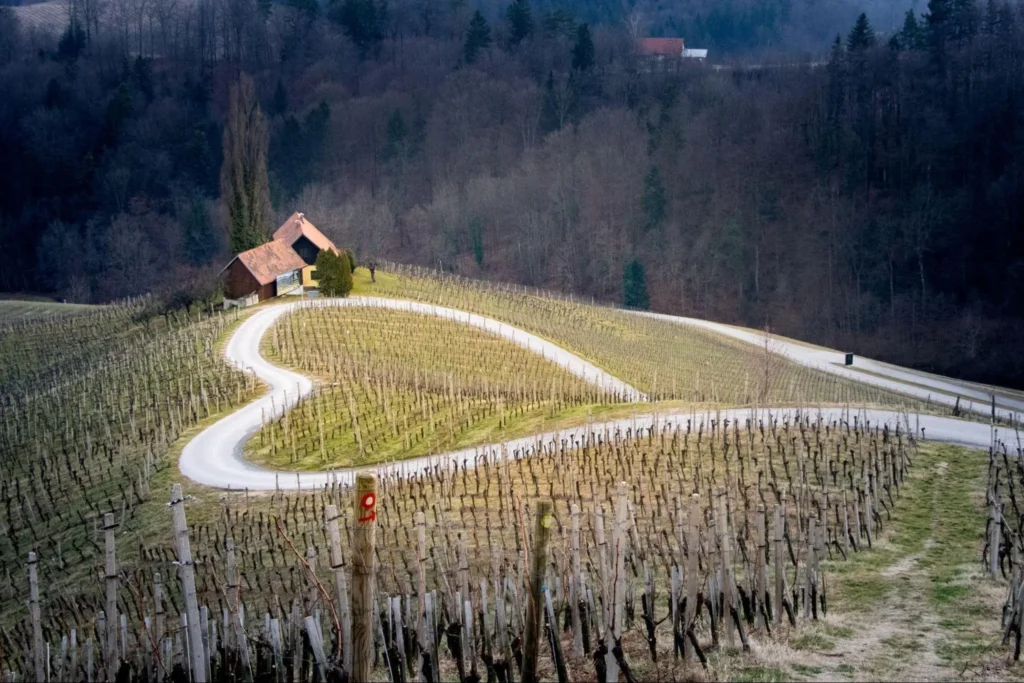
The grape growth cycle is a delicate process that directly influences wine quality. It consists of the following stages:
Bud break happens in spring and marks the beginning of the growing season. It happens when temperatures are milder, but the exact temperature for bud break varies for each grape variety.
Flowering occurs about 1 to 2 weeks after bud break when grape flowers open, and pollination occurs. This determines the potential grape quantity.
Growth begins when grapes start to form. This period is critical as grapes are susceptible to adverse weather conditions.
The ripening process occurs during summer and autumn. Ripening involves the development of sugars, acids, and aromatic compounds in the grapes.
Harvest starts when grapes reach the ideal ripeness level, manually or mechanically, for wine production.
Impact of climate change on grape ripening
Climate change significantly affects grape ripening in several ways:
Accelerated ripening: The increase in average temperatures speeds up the grape ripening period, resulting in overly ripe grapes with higher sugar content, which will negatively affect the acidity and complexity of the wine. This will alter the flavor profile and wine sctructure.
Shift in harvests: Warmer weather can lead to shifts in harvests, with earlier harvests occurring. This can be problematic as it may not allow the grapes to reach ideal ripeness, resulting in less balanced and complex wines.
Increased risk of grape diseases
Climate change also heightens the risk of grape diseases, which can impact grape quality and, consequently, wine quality.
Growing grapes suitable for each region
It is crucial to adopt cultivation practices specific to each region. Choosing grape varieties suitable for the local climate and implementing cultivation techniques adapted to the specific conditions of each region can help minimize the negative effects of climate change on grape ripening.
How wineries face climate challenges
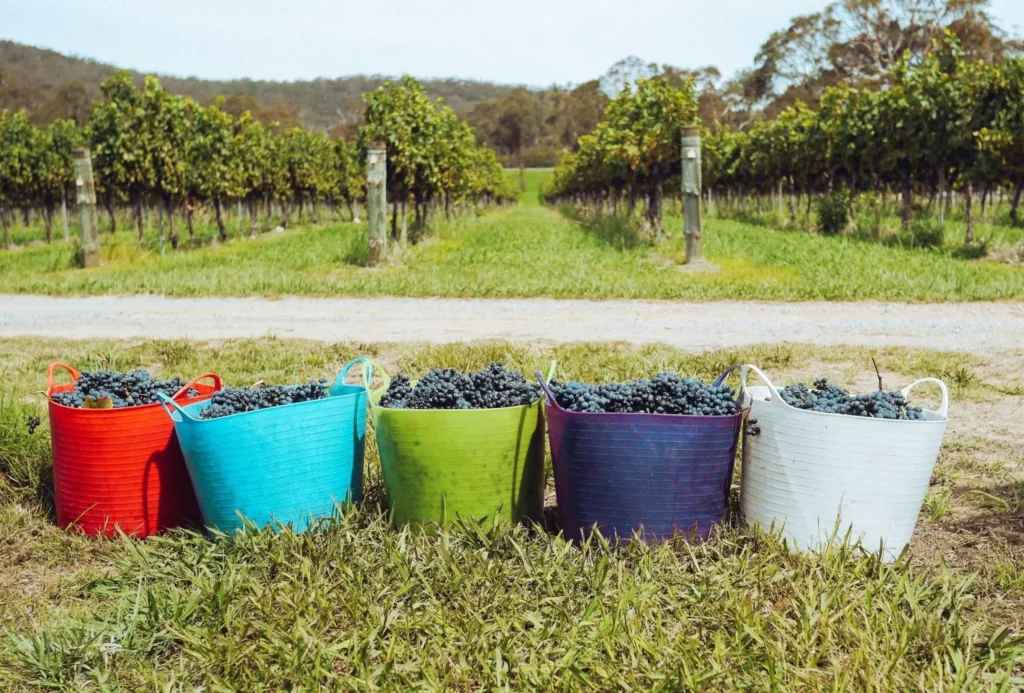
Climate change presents significant challenges to wine production worldwide, leading wineries to adopt innovative and sustainable techniques. Explore below about some of these techniques.
Planting at higher altitudes: In response to temperature changes, wineries are exploring new cultivation areas at higher altitudes. This allows grapes to ripen more gradually, preserving acidity and balance in the wines.
Sustainable agriculture practices: Wineries committed to sustainability adopt organic and biodynamic methods, minimizing the use of pesticides and synthetic chemicals while promoting the natural balance of the vineyard ecosystem.
Precision technology: Technology is an ally for wineries facing climate challenges. Intelligent irrigation techniques, weather monitoring, and data usage help viticulturists make informed decisions to optimize cultivation and harvest.
New horizons for wineries
As global warming challenges traditional wine regions, emerging wineries appear in unexpected locations, while European wineries grapple with the battle against hotter days.
Explore the rising stars of French wines. We will highlight the search for new planting locations participating in innovative wine production projects.
Rising wine regions
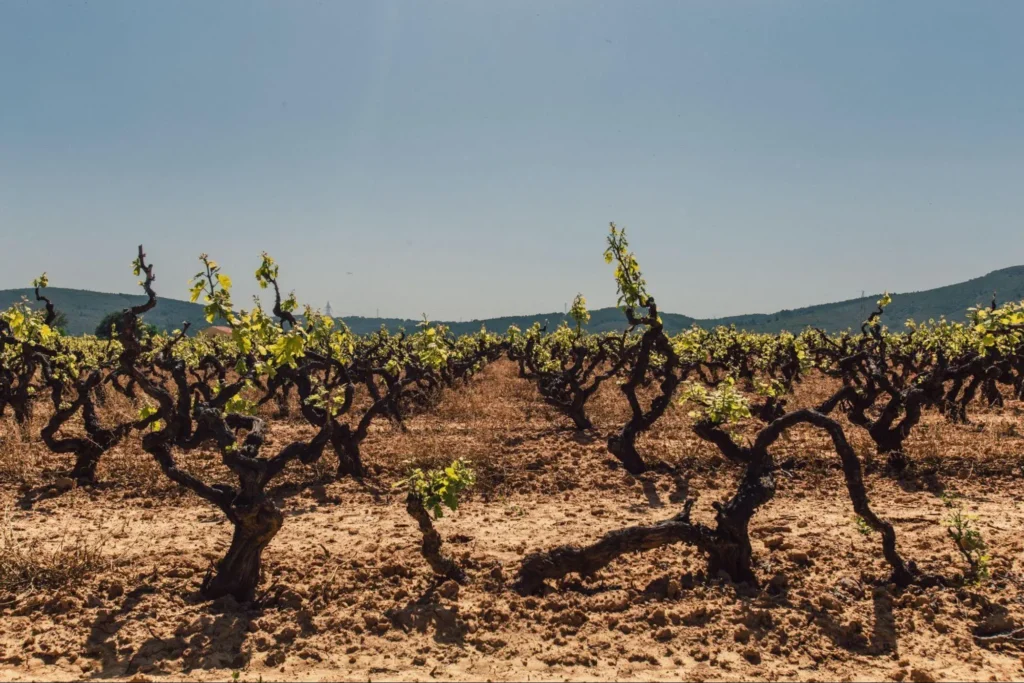
When discussing rising wine regions, we need to mention the United States, which has seen a remarkable increase in wine production over the past few decades. Regions like Napa Valley and Sonoma are the most well-known, while areas like the Willamette Valley in Oregon and the Walla Walla Valley in Washington are gaining international recognition due to their favorable climatic conditions. Wineries in these regions stand out for their quality wines, often with a sustainable approach.
The US offers a variety of climates, from the cool climate of Oregon to the warmth of California, resulting in a wide range of wine styles, including excellent Cabernet Sauvignon, Chardonnay, and Pinot Noir labels.
Not only in the United States but also unexpected places are venturing into wine production due to climate changes. Countries like England are emerging as new wine-producing regions.
Thinking of quality wines produced in England seemed like a dream a few decades ago. However, due to global warming, this situation has completely changed.
A significant step toward recognizing the quality of English sparkling wines and other English wines was the creation of the first Protected Designation of Origin (PDO) for Sussex wines.
These efforts in unexpected regions demonstrate that the passion for wine production is thriving, even in the face of climate change. Rising and innovative wineries are shaping the future of the wine industry, offering a rich variety of options for wine enthusiasts worldwide.
The struggle of European wineries
On the other hand, European wineries face increasing challenges due to rising temperatures. Regions traditionally known for fine wines, such as Bordeaux and Burgundy, adapt to climate change by experimenting with new grape varieties and cultivation methods.
Resistance of old vines: It’s worth noting that they show more excellent resistance to climate changes due to their environmental adaptation over decades or centuries, making them less susceptible to climate change.
Ancient methods: Using ancient methods, such as planting hedgerows around vineyards, effectively protects grapes against climate change. Hedgerows help regulate temperature, shield against strong winds, and create a microclimate conducive to grape growth.
Varietal clones: One of the strategies used by Burgundy’s winemakers is the use of Chardonnay and Pinot Noir clones. These clones accumulate less sugar, maintain acidity, and ripen later, thus preserving the wine’s balance. To give you an idea, there are 47 official clones of Pinot Noir, but very few are used.
Adaptive varieties: Other measures are being debated among Burgundy producers, such as cultivating grape varieties different from the classics. The goal is to find varieties that ripen later to ensure acidity and lower sugar accumulation, as seen in the region’s classic grapes.
Other grape varieties beyond Burgundy’s borders may also be considered. For example, Cabernet Franc and Syrah are mentioned, as well as the foreign variety Nebbiolo.
The Bordeaux region approved cultivating six new varieties in 2021, including the reds Arinarnoa, Castets, Marselan, and Touriga Nacional, and the whites Alvarinho and Liliorila. However, there are restrictions; these new grape varieties can only be used in AOC Bordeaux and Bordeaux Supérieur wines, vineyards cannot exceed 5% of the total property, and the blend’s final wine can only consist of up to 10% of these new varieties.
The future of wine and climate
The future of wine and climate is linked to how the industry and consumers respond to environmental changes. As we venture into a world of increasingly diverse and innovative wines, respect for the environment and the pursuit of sustainability become essential values.
We cannot rely solely on industry innovations but also on the choices and commitment of consumers who select wines from producers who prioritize the environment. Each bottle we choose and every glass we raise are opportunities to support sustainability and celebrate the diversity of the wine world. Check also the benefits and differences of sourcing wines directly from wineries.
We are committed to offering rare wines crafted from sustainable practices. We invite you to explore our exclusive selection of wines that offer investment opportunities and support environmental preservation.